
Last updated
Where should a porta potty go on a job site or event lot?
Flat ground first. A standard unit runs about 44 by 48 inches on the ground and stands 92 inches tall, so give it a footprint clear of overhead branches and power lines. ADA Standards section 302.1 calls for stable, firm, slip-resistant surfaces, which rules out loose gravel or soft turf that shifts under foot traffic. If you're placing an ADA accessible porta potty, section 304.3.1 requires a 60 inch turning circle in front of the door, and section 403.5.1 sets a 36 inch clear path to get there. Keep units 5 to 10 feet from windows and doorways where smell can drift, and never block a fire lane. On construction sites, check OSHA portable toilet requirements for the ratio under 1926.51(c)(1): one facility per 20 workers on crews of 20 or fewer. For event lots, our event restroom rental placements usually cluster units near the exit, not the entrance, so lines don't back into foot traffic. If you're near Ralston, 5.0 miles south of Omaha, or Boys Town, 5.0 miles west, the same clearance rules apply regardless of jurisdiction.
Do I need a permit to place a porta potty or dumpster in Omaha?
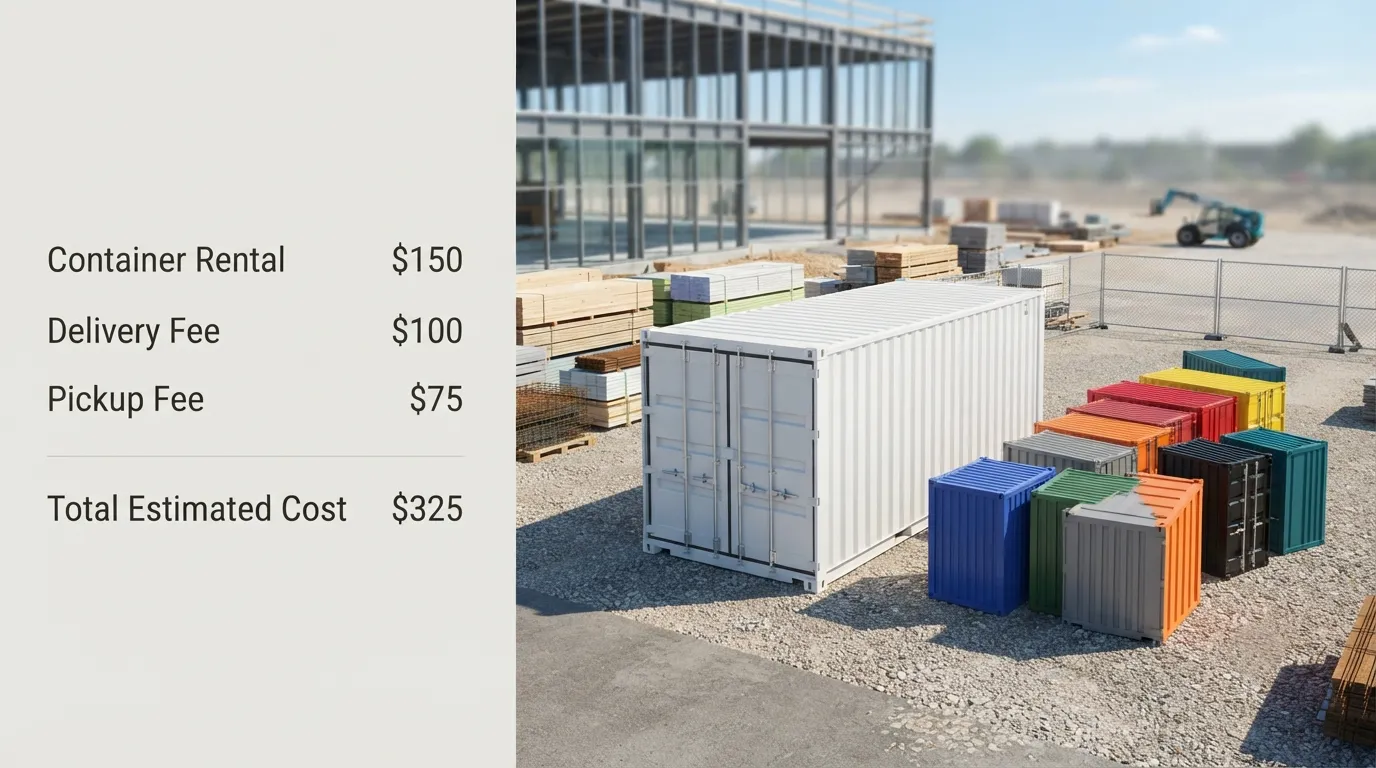
Sometimes, and it depends where the unit sits. Placement fully on private property typically needs no permit, but anything touching a sidewalk, parking strip or the public right of way should be confirmed with the City of Omaha before delivery. This applies to both restrooms and roll-offs: a dumpster placement permit cost and process varies by lot, and we always tell customers to check before the truck rolls. Don't guess on a right-of-way placement and hope nobody notices; that's how units get tagged or towed. For guidance specific to your address, our porta potty permit requirements page walks through what to ask the city. The same logic applies to storage container rental units and temporary fence rental lines that cross a curb cut. If your project sits in Papillion, 12.0 miles south, or Council Bluffs, 14.4 miles east across the river, confirm locally since Omaha city code doesn't govern those addresses.
How much clearance does a roll-off dumpster need?
Plan on about 60 feet of straight clearance behind the truck for delivery, plus overhead room for the cable system that lifts the box. That's the single biggest reason roll-off placements go wrong: someone measures the box footprint but forgets the truck needs a straight shot in and out. Our roll-off dumpster rental crews check this before scheduling, and it matters just as much for a 10 yard dumpster rental as a 40 yard dumpster rental, since the swing radius barely changes. Surface matters too: OSHA 1926.25 housekeeping rules assume a clear work area, and a dumpster parked on soft ground can sink and crack asphalt underneath. Check dumpster sizes and dimensions before you commit to a spot, and review what cannot go in a dumpster and dumpster weight limits so the load stays legal once it's placed. If you're running a renovation, home renovation porta potty and dumpster placement often share the same driveway footprint, so map both before delivery day.
What other site equipment needs a specific placement plan?
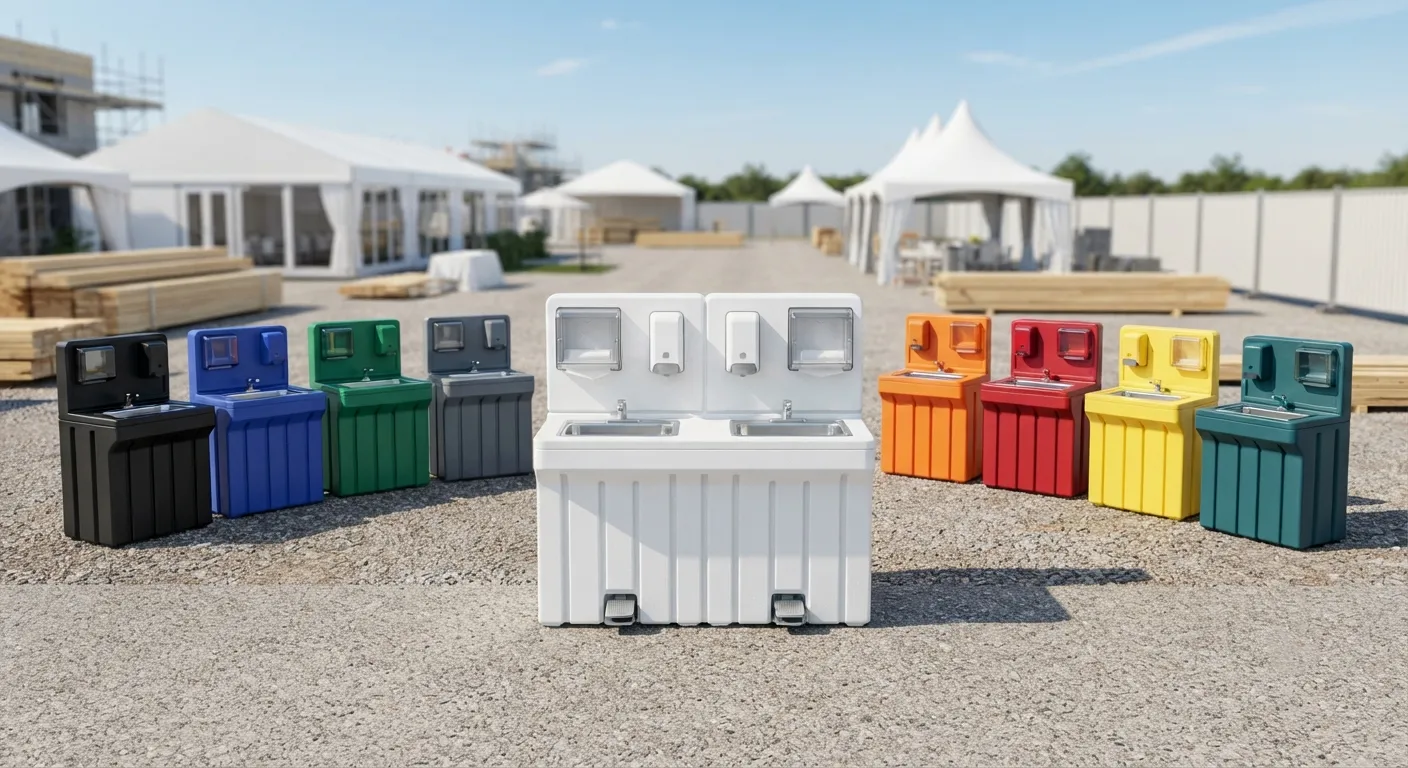
Handwashing stations, fencing, and mobile offices each have their own rules. A handwashing station rental unit needs to sit near food service or paint and coating work, since OSHA 1926.51(f)(1) requires washing facilities specifically where employees apply paints, coatings, herbicides or insecticides. If you're running an Ozark River portable sink on site, replacement parts and hose fittings are worth having on hand before a weekend event, since a cracked fitting mid-shift means no washing at all under 29 CFR 1910.141(d)(2), which requires soap and towels, not sanitizer alone. For mobile office trailer rental units, replacement doors and hardware sometimes lag behind delivery schedules, so ask about that when you book. Temporary fencing needs its own line of sight for gates, and a chain link temporary fence run should never block the accessible route required by ADA Standards section 403.5.1. Septic work runs on a separate clock entirely: a septic pumping service crew, whether local or scheduled like a Placerville septic pumping service call elsewhere, needs truck access similar to a roll-off, and a typical residential tank gets pumped every 3 to 5 years depending on size and household use.
How far in advance should I schedule placement?
Book placement at least a week out for standard units, longer for events needing multiple restrooms or trailers. ANSI/PSAI Z4.3 sets a weekly service baseline for up to 10 users, so scheduling around that interval keeps service visits predictable once units are placed.
Can I move a porta potty myself once it's delivered?
Don't. Units are heavy even empty, and a full tank makes tipping likely. Call for a reposition instead. It's a quick fix and avoids tank damage or a spill your crew has to deal with.
Where do ADA units need to sit relative to standard units?
Where several single-user units cluster together, ADA Standards section 213.2 requires at least 5 percent to be accessible, with a minimum of one. Place that unit on the most level ground in the cluster.
Does placement affect service scheduling?
Yes. Trucks need the same clearance for pump-outs as for delivery. A blocked or hard-to-reach unit gets skipped and rescheduled, so keep the access path clear between visits, not just on delivery day.
What if my site is outside Omaha proper?
We still place and service units. Gretna sits 14.7 miles southwest and Bellevue 14.7 miles southeast; check our service areas page or request a quote for your address.

Next step
Get a delivery date
Tell us the address, the dates and the headcount. We size the order and confirm the route.