
Last updated
How many restrooms does a race in Omaha need?
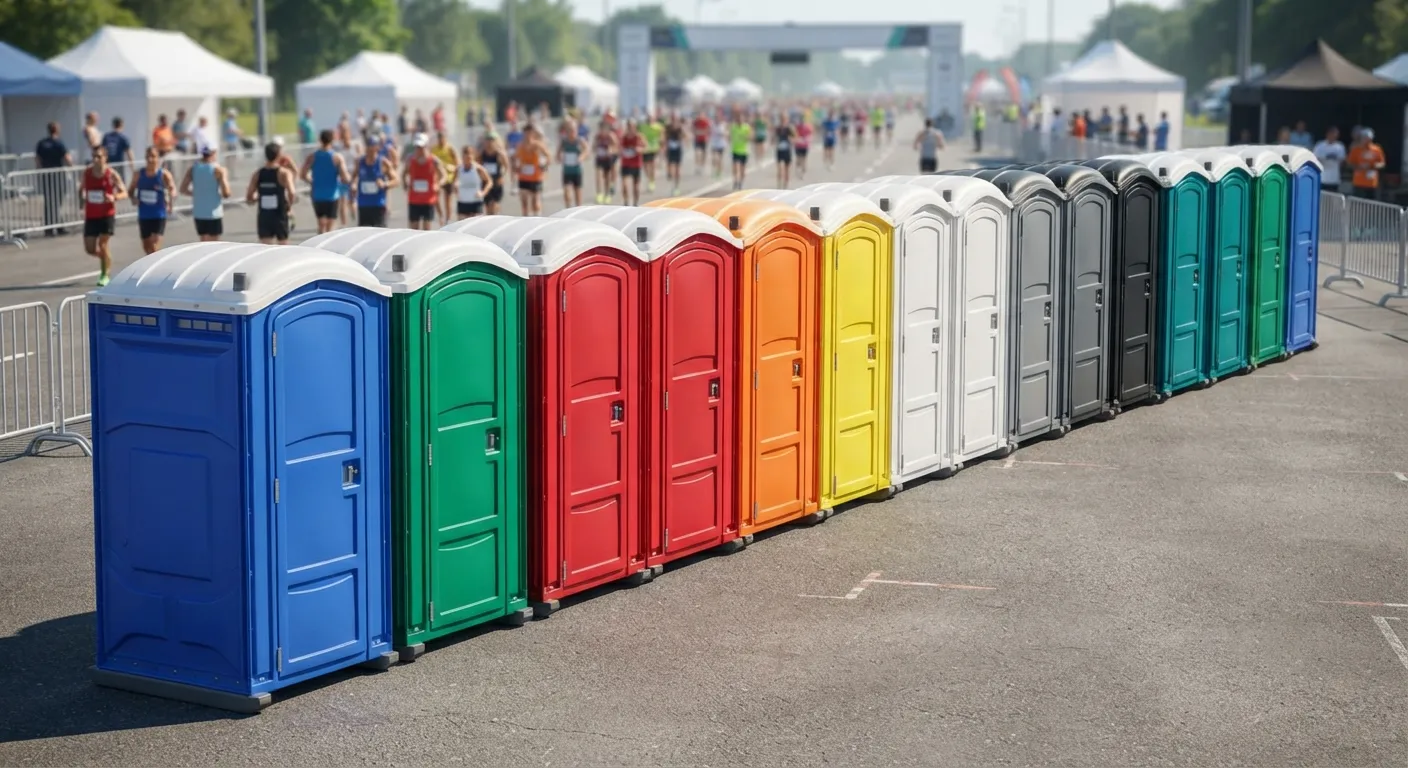
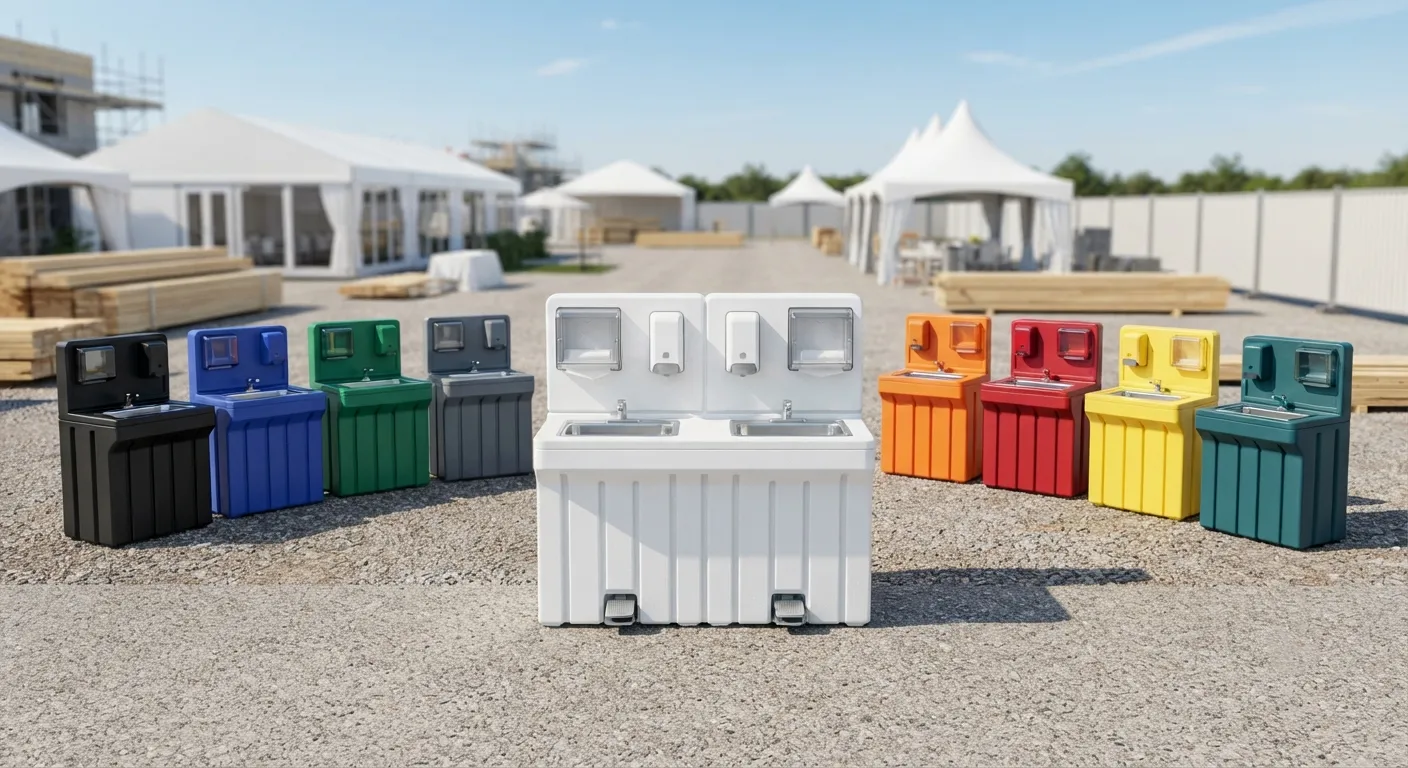
Start with runner count, then split it across the course instead of clustering everything at the finish line. A field of 500 might run fine on a dozen standard porta potty rentals, spread out so nobody's waiting at mile 4 while mile 9 sits empty. OSHA 1926.51(c) sets construction ratios, not race-day ones, but it's still the closest sanitation benchmark event planners lean on: one toilet per 20 people at moderate density. For a start corral in Omaha, that math scales fast. A 2,000-runner marathon might need 40 to 60 units once you count staging areas, the finish chute and any spectator zones near Omaha parks or riverfront paths. Races that draw families often add handwashing station rental units near food tents, since 29 CFR 1910.141(d)(2) requires soap and towels or a hand-drying device wherever people are washing up, not just sanitizer. If your race also has a fun run or kids' loop, treat it as a separate cluster with its own count rather than folding it into the main course tally. Check how many porta potties you need before finalizing a layout, and loop in your timing company early since mile-marker restroom placement affects course maps and volunteer staging too.
What should race organizers plan for besides restrooms?
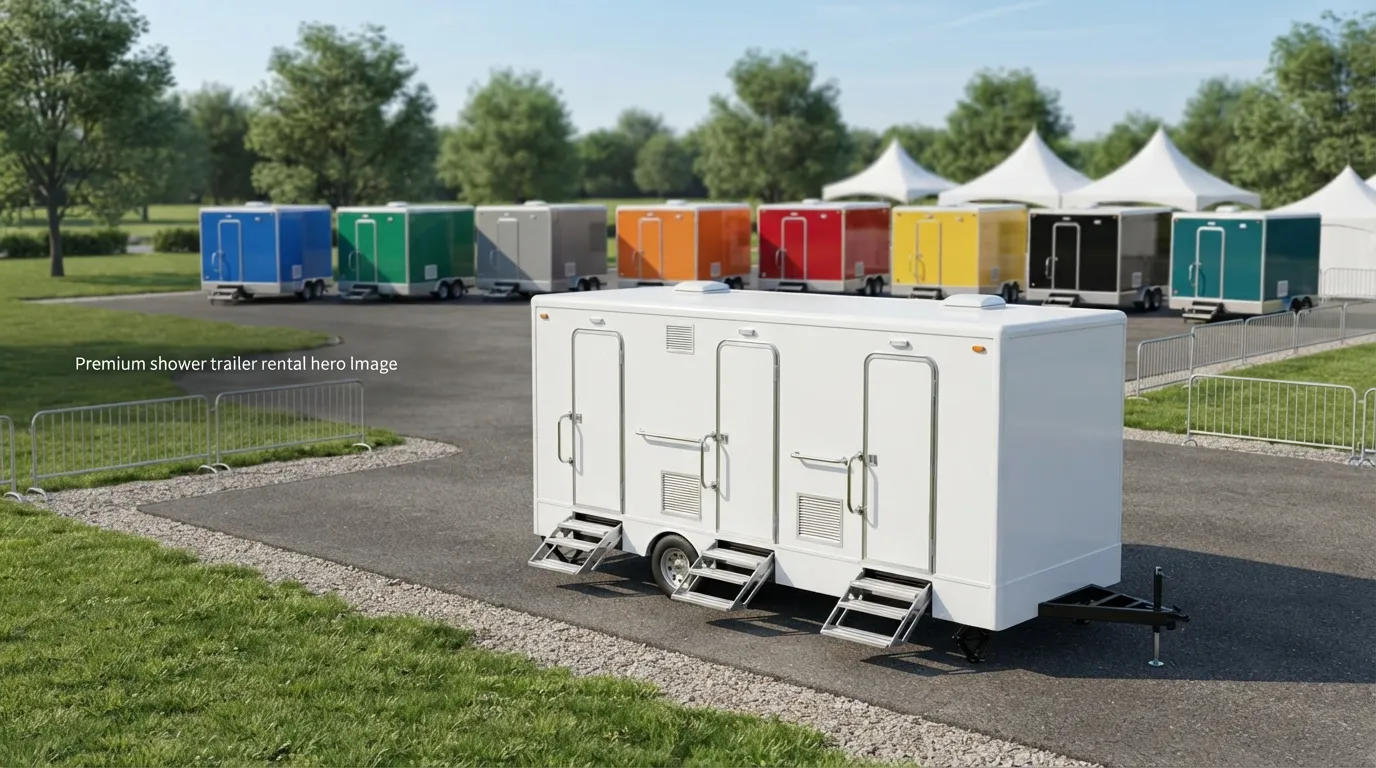
Power and lighting matter as much as toilets on a race morning that starts before sunrise. Timing tents, PA systems and food vendor booths often run off a temporary power pole, and knowing how to brace a temporary power pole properly keeps it upright through wind gusts along an open course. A pole set in soft ground near a riverbank path needs guy wires or a braced base, not just a post hole. Pair that with a light tower rental for early starts or evening finish lines, since OSHA 1926.56(a) sets minimum illumination levels for work areas, a useful baseline even outside construction. If your course crosses gravel lots or staging yards, temporary fence rental keeps runners on the marked path and separates spectators from timing equipment. Waste doesn't stop at restrooms either: water stations generate cup litter fast, and a roll-off dumpster rental or two near the finish line saves volunteers from bagging trash by hand. For races with a beer garden or post-race festival, a restroom trailer rental gives finishers a nicer option than a standard unit, and an 8 stall restroom trailer handles crowds better than scattering singles. Omaha events near Ralston, 5.0 miles south, or La Vista, 6.4 miles south, sometimes stage satellite parking with its own restroom needs too.
Do restrooms need to be ADA accessible for a race?
Yes, and at least one accessible unit per cluster is standard practice under ADA Standards section 213.2, which requires 5 percent of clustered portable units to be accessible with never fewer than one. ADA units need a 60 inch turning circle per section 304.3.1 and a 36 inch clear route per section 403.5.1, so don't tuck them behind a fence line or on gravel that fails the slip-resistant surface standard in section 302.1. Placement matters more on a race course than almost anywhere else, since wheelchair racers and handcycle competitors need direct access without weaving through barricades. Check the ADA restroom requirements page before finalizing your course map, and coordinate accessible unit placement with your porta potty placement guide so ramps and turning space aren't an afterthought. If your race falls in cold months, review porta potty in winter service, since standing water and ice can compromise that same slip-resistant surface requirement. Races with a post-event beer tent or vendor row often want a deluxe flushable porta potty option near VIP areas, and pairing that with clearly marked accessible units keeps the whole finish line usable for everyone, not just the fastest runners crossing first. Omaha Porta Pros can walk your course map with you before race weekend.
How far in advance should we book restrooms for a race?
Book 4 to 6 weeks out for anything over 1,000 runners, since emergency porta potty rental options exist but cost more and limit unit choice. Popular race weekends fill fast, especially ones overlapping festival restroom rental demand.
Can we rent restrooms for just race day and pick them up the same evening?
Yes, weekend and single-day event pricing exists specifically for this, and Omaha Porta Pros can deliver morning-of and collect after teardown. Ask about porta potty rental per day pricing if your race is a one-day event only.
What size dumpster do we need for a race with 2,000 runners?
Depends on vendor count and whether you're running water stations, but most races this size use a mix of a 10 yard dumpster rental near the finish and smaller bins at aid stations. Check dumpster sizes and dimensions for a closer estimate.
Do we need a permit to place restrooms along a public race course?
Placement in the public right of way needs confirming with the city, since permit rules vary by course segment and street closure status. Review porta potty permit requirements before locking in your route map.
Can Omaha Porta Pros service restrooms mid-race if the course is long?
Yes, mid-event servicing is available for marathon-length courses, especially at high-traffic mile markers. This matters most for events also running a concert restroom rental setup at the finish festival stage.
Next step
Get a delivery date
Tell us the address, the dates and the headcount. We size the order and confirm the route.