
Last updated
What are the early warning signs of a full septic tank?
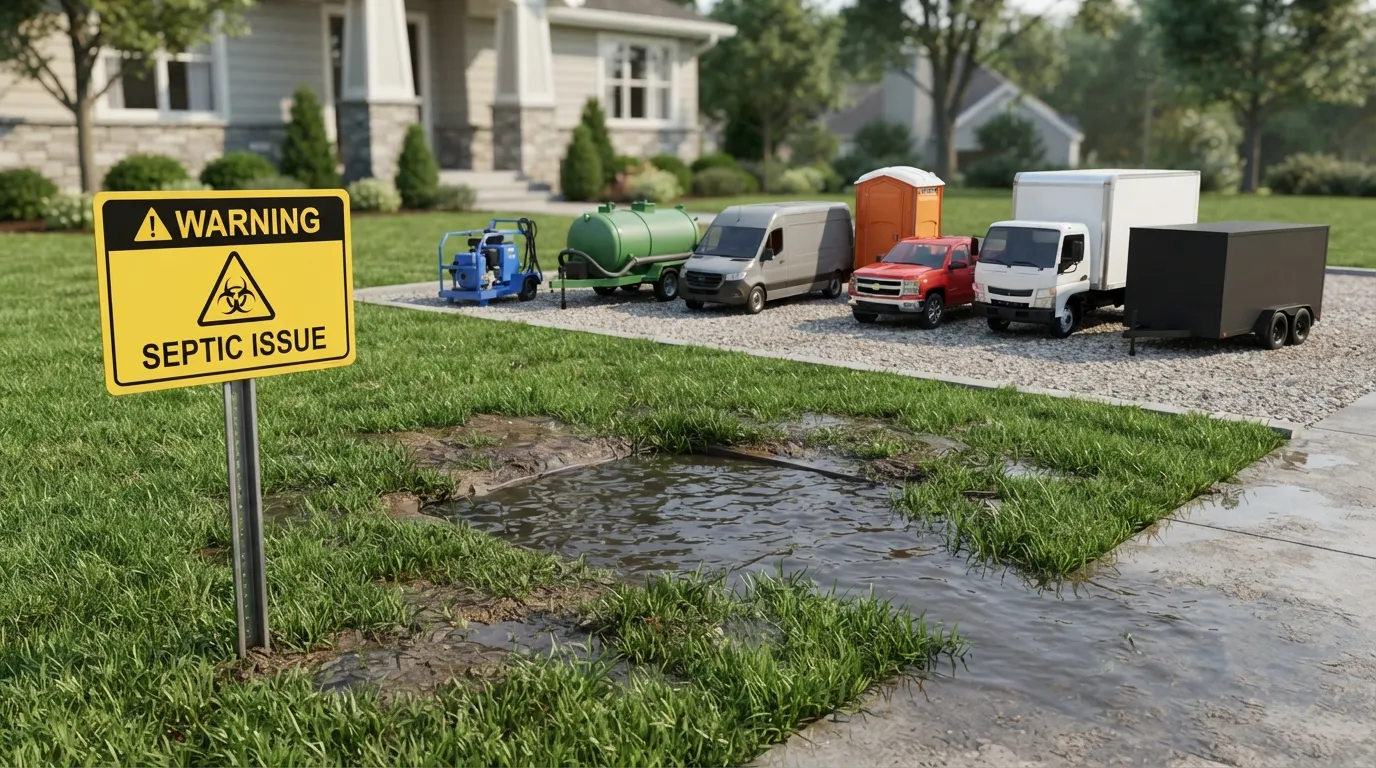
Slow drains in more than one fixture at once is the first tell. If your kitchen sink, shower and washing machine all drain slower than usual on the same day, that is not a coincidence, it is backpressure from the tank. Gurgling in the pipes after a flush is next. Add standing water or unusually green, spongy grass over the drain field and you have a pattern, not a fluke. Omaha Porta Pros gets calls at this stage more than any other, and the fix is almost always a straightforward pump-out rather than a repair. A residential tank is typically pumped every 3 to 5 years depending on tank size and household size, and if you are past that window, the odds of a warning sign are much higher. If you are unsure how long it has been, how often to pump a septic tank in Omaha walks through how tank size and household size set that interval. Waiting for a full backup costs more than a scheduled visit through septic pumping service.
Why does my yard smell near the septic tank?
A sulfur or rotten-egg smell near the tank lid or drain field means gas is escaping somewhere it shouldn't, usually a loose lid, a cracked pipe fitting, or a tank close to capacity. It's not something to wait out. In Omaha, that smell tends to show up worse in summer heat when the ground is dry and gas travels up through cracked soil more easily. If the smell is strong indoors too, especially near a floor drain or basement toilet, that points to a plumbing vent issue on top of the tank problem, and it is worth having both checked in the same visit. Septic tank cleaning covers what a full service includes beyond just pumping, including a check of lids, baffles and risers. Homeowners searching for a number to plan around should see septic tank pumping cost in Omaha before booking, since tank size changes the price more than anything else.
Can a septic tank problem cause water to back up inside the house?
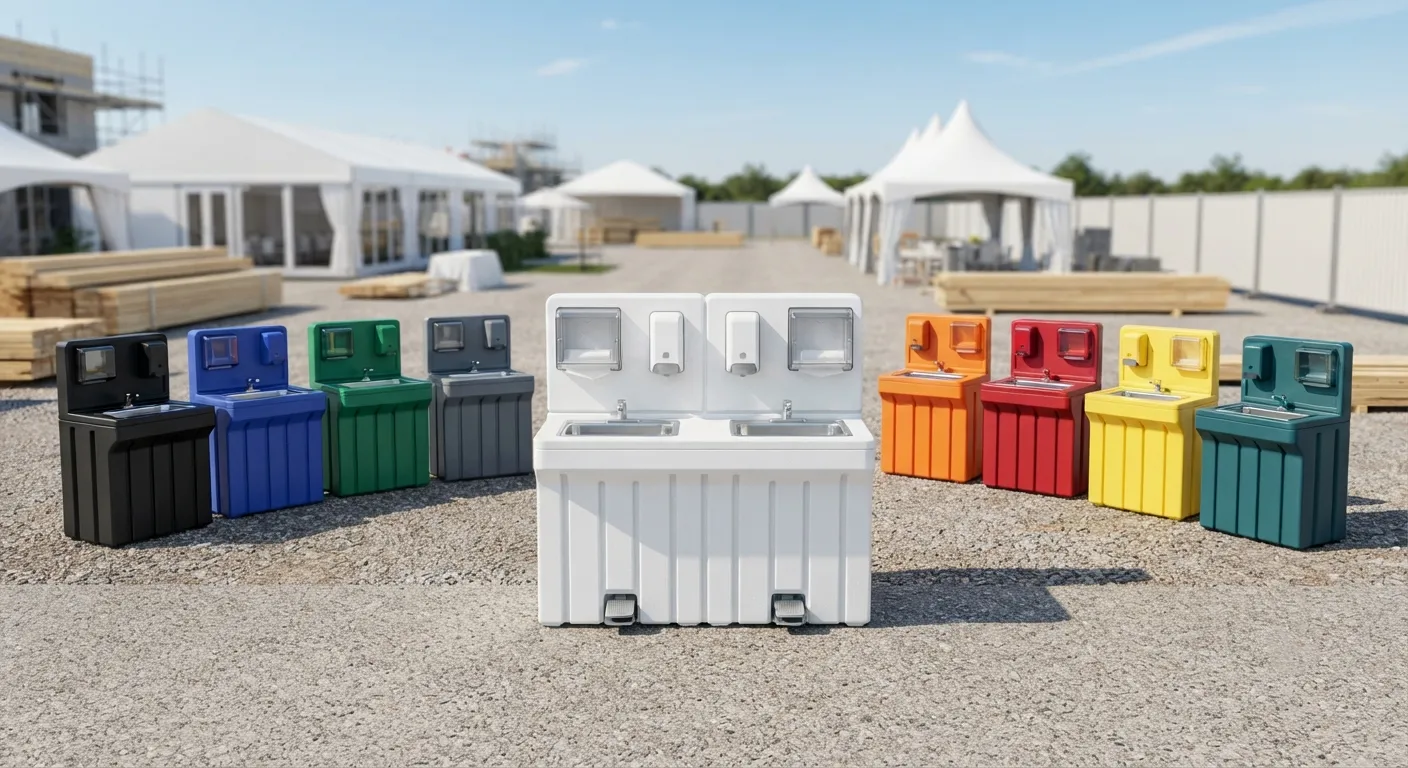
Yes, and it's usually the last warning sign before an emergency call, not the first. If wastewater is backing up into a tub or floor drain, especially the lowest fixture in the house, the tank or drain field is likely at full capacity and has nowhere else to send water except back up the pipe. This is different from a single clogged drain, which usually only affects one fixture. Multiple fixtures backing up at once, particularly after heavy rain has saturated the drain field, is a system-wide sign. Omaha's older neighborhoods still running original septic systems see this most often after a wet spring. If it's already backing up, don't wait for a scheduled slot, call emergency septic service the same day. For anyone managing a rental property or job site instead of a house, a holding tank rental can keep things running while the real system gets diagnosed and fixed.
How is a failing septic tank different from a full grease trap?
A residential septic tank and a commercial grease trap fail for different reasons, even though the symptoms look similar. A grease trap is pumped when fats, oils, grease and solids reach 25 percent of the liquid depth, well before it's technically full, because grease hardens and blocks flow long before the tank fills. A septic tank fails more from solids buildup and drain field saturation over years. If you're running a restaurant or commercial kitchen in Omaha, grease trap pumping needs to happen on a schedule tied to usage, not a fixed calendar date, unlike a home septic tank on a 3 to 5 year cycle. Confusing the two systems is common, and it leads to over-servicing one and neglecting the other. If you're building out a new kitchen or job site, construction site services covers what temporary sanitation looks like before permanent systems are even connected.

Comparing service options while your septic system is down
| Service | Typical duration | Price band |
|---|---|---|
| Septic pumping visit | day | $150 to $300 |
| Holding tank, short-term | weekend | $50 to $150 |
| Standard portable toilet | week | $130 to $500 |
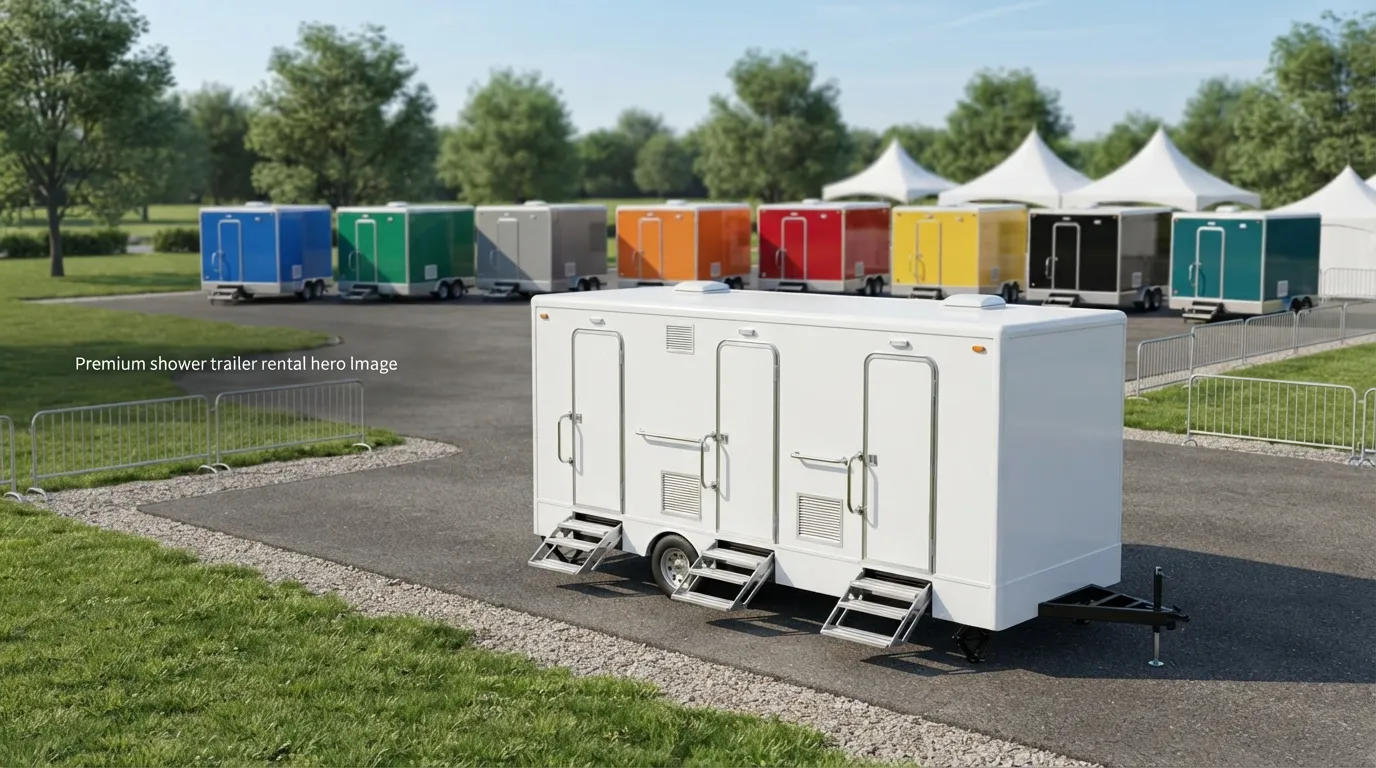
A day-rate septic pump-out handles most warning-sign calls. If the repair takes longer, a short-term holding tank or a rented standard porta potty rental keeps a household or job site functional in the meantime. For anyone hosting an event while septic work is underway, event restroom rental is worth a look, and homeowners doing renovation work at the same time should check home renovation porta potty options too.
What if I ignore these warning signs?
Ignoring them leads to sewage backing into the house or surfacing in the yard, both of which cost far more to clean up than a scheduled pump. Omaha's clay-heavy soil holds moisture longer, which makes drain field saturation worse once a tank is neglected past its 3 to 5 year interval.
How much does septic pumping cost in Omaha?
A standard pump-out visit falls between $150 and $300 for the day, depending on tank size and access. See septic tank pumping cost for a fuller breakdown by tank size and site condition before you book.
Can I use a portable toilet while my septic system is being repaired?
Yes. A standard porta potty rental or a portable restroom rental keeps a household running during repair work, and rental periods range from a single day up to a full month depending on how long the fix takes.
Do commercial properties need septic inspections too?
Commercial kitchens run grease traps, not standard septic tanks, and those need pumping based on grease depth, not a fixed schedule. See grease trap pumping for how that differs from residential service.
How far will Omaha Porta Pros travel for an emergency septic call?
Service covers Omaha and nearby communities including Ralston 5.0 miles south, La Vista 6.4 miles south and Papillion 12.0 miles south. Check service areas for the full coverage list.
Next step
Get a delivery date
Tell us the address, the dates and the headcount. We size the order and confirm the route.